Zalmay Khalilzad, 24 Years Lobbying for Terrorists to Keep Pashtuns in Power
Reading time: (Number of words: )
All the versions of this article: [English] [فارسى]
Kabul Press?: It does not matter for Zalmai Khalilzad if the Taliban massacred tens of thousands of innocent people, including Pashtuns, and particularly the Hazara and other non-Pashtuns. It does not matter if they killed thousands of international soldiers or destroyed the famous masterpieces of the oral and intangible heritage of humanity, the Buddhas of Bamyan, Hazaristan. The important matter is that the Taliban raised from Pashtun tribes, and they are useful to keep Pashtuns in power ruling on the non-Pashtun majority.

Starting as a translator, reaching a high position in the government of the United States of America, Zalmay Khalilzad has a long history in supporting the Taliban based on their common ethnic background, pushing non-Pashtun aside, and turning the international community against them either by accusing them as Iranian followers or enemies of the western world resulting many false accusations against non-Pashtuns.
In 1996, Zalmay Khalilzad used to write in support of the Taliban in American media, miss-leading the public and hiding their real face.

Based on recent conversations with Afghans, including the various Taliban factions, and Pakistanis, I am confident that they would welcome an American reengagement. The Taliban does not practice the anti-U.S. style of fundamentalism practiced by Iran — it is closer to the Saudi model. The group upholds a mix of traditional Pashtun values and an orthodox interpretation of Islam. Zalmay Khalilzad, October 7, 1996
Years after Khalilzad’s article in Washington Post, the world and particularly the people in so-called country Afghanistan witnessed how the Taliban is a mixture of racism of Pashtunism, terrorism, drog, and radical Islam, and how do they behave against non-Pashtuns and women.
Now, Khalilzad is more active in keeping Pashtuns in power.


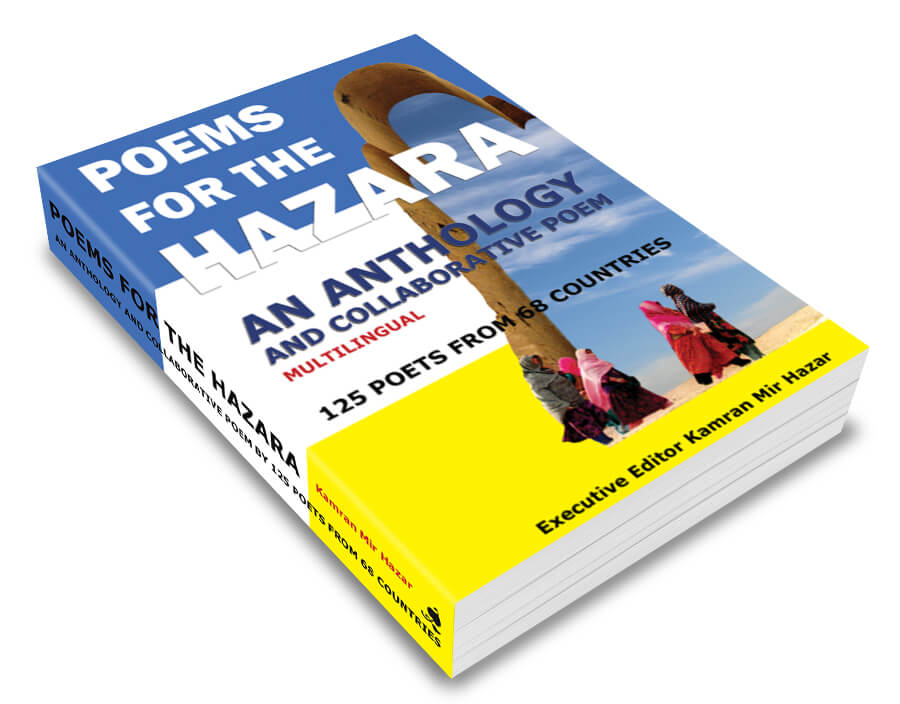
Poems for the Hazara
The Anthology of 125 Internationally Recognized Poets From 68 Countries Dedicated to the Hazara
Order Now